Roman Coin Denominations
Rome used a complex multi-metal currency system that evolved continuously over eight centuries. The coins below are grouped by the monetary system they belonged to, from the classical Imperial coinage through to Constantine's late Roman reforms.
27 BC - c. AD 270
The multi-metal system established by Augustus and used for three centuries. This is the coinage most collectors encounter. Gold, silver, brass, and copper coins circulated together with fixed exchange rates.
1 Aureus = 25 Denarii = 50 Quinarii = 100 Sestertii = 200 Dupondii = 400 Asses = 800 Semisses = 1,600 Quadrantes
Bar width is logarithmic. The true value difference is far larger than it appears.
| Denomination | Metal | Typical weight | Era | |
|---|---|---|---|---|
| Aureus4,231 coins | AV - Gold | ~7.8g · ~99% pure | 27 BC - AD 312 | |
| Denarius7,458 coins | AR - Silver | ~3.4g · ~90% pure | 211 BC - AD 244 | |
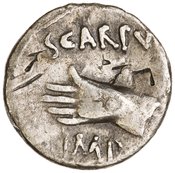 | Quinarius141 coins | AR - Silver | ~1.6g · ~90% pure | 211 BC - AD 300 |
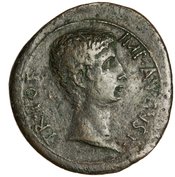 | Sestertius5,228 coins | AE - Bronze / Brass | ~26g | 23 BC - AD 268 |
| Dupondius2,508 coins | AE - Bronze / Brass | ~12.5g | 23 BC - AD 268 | |
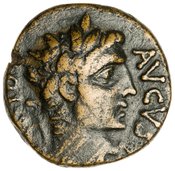 | As3,300 coins | AE - Bronze / Brass | ~10.5g | 280 BC - AD 268 |
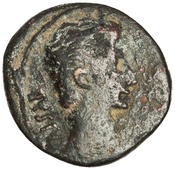 | Semis357 coins | AE - Bronze / Brass | ~5g | 280 BC - AD 130 |
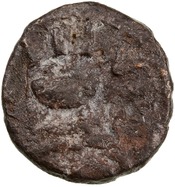 | Quadrans415 coins | AE - Bronze / Brass | ~2.5g | 280 BC - AD 200 |
Weight and purity data sourced from RIC (Mattingly & Sydenham), Crawford Roman Republican Coinage, and Butcher & Ponting The Metallurgy of Roman Silver Coinage.