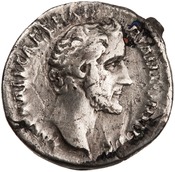
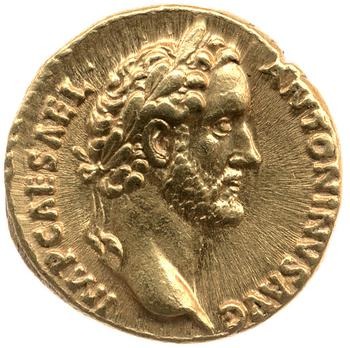
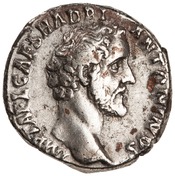
Denarius
Silver (argentum) · ~3.4g · ~90% pure
211 BC – AD 244
The backbone of the Roman economy for five centuries. Worth four sestertii, the denarius was the coin of everyday trade, army pay, and taxation. Its slow debasement from near-pure silver under Augustus to bronze with a silver wash by the 270s AD tells the story of Rome's economic crisis in one handful of coins.
Specifications
| Metal | Silver (argentum) |
| Typical weight | ~3.4g |
| Typical purity | ~90% |
| Era | 211 BC – AD 244 |
Silver Purity by Emperor — The Debasement Story
The denarius began under Augustus at ~97% silver. Over three centuries, successive emperors reduced its silver content to fund wars and donatives. By the reign of Gallienus (~AD 260) it contained barely 5% silver — a coin in name only. This debasement is the single most important economic story in Roman numismatics.
⚠️ Approximate values — verify against Butcher & Ponting The Metallurgy of Roman Silver Coinage before launch.
Emperors Who Issued the Denarius
and 28 more emperors